The Cost of 'Standard' Materials in a Non-Standard Climate
Imagine spending 80 lakhs on your dream home in Bhaktapur or Pokhara, only to find that within two winters, the walls are damp, and the top floor feels like a furnace during the pre-monsoon heat. Most homeowners in Nepal focus heavily on the 'look' of the tiles or the brand of the paint, but the structural integrity and thermal comfort of a house are decided much earlier—at the procurement stage of the core building materials.
In Nepal, we don't just build for aesthetics; we build for a high-risk seismic zone and a climate that swings from the humid heat of the Terai to the biting cold of the Kathmandu Valley. Choosing building materials suited to Nepal’s climate and earthquake zones requires looking beyond what the local hardware store suggests. It requires a technical understanding of ductility, thermal mass, and material weight.
The Steel Dilemma: Ductility Over Strength
When an earthquake hits, you don't want your house to be 'stiff'—you want it to be ductile. In Nepal, we primarily use TMT (Thermo-Mechanically Treated) bars. However, not all TMT bars are created equal. For seismic zones like ours, Fe 500D grade steel is often the gold standard. The 'D' stands for ductility.
- Why it matters: Ductile steel can deform and absorb energy during a tremor without snapping.
- Local tip: Ensure your contractor is using bars with a clear 'ISI' or 'NS' (Nepal Standard) mark. In the current market, prices hover around NPR 90 to 110 per kg, but saving 5 rupees here on non-branded steel can compromise the entire structural safety of your pillars.
- Execution check: Watch the 'bending' process on-site. If the steel shows cracks at the bends, the carbon content is too high, making it brittle and dangerous for earthquake zones.
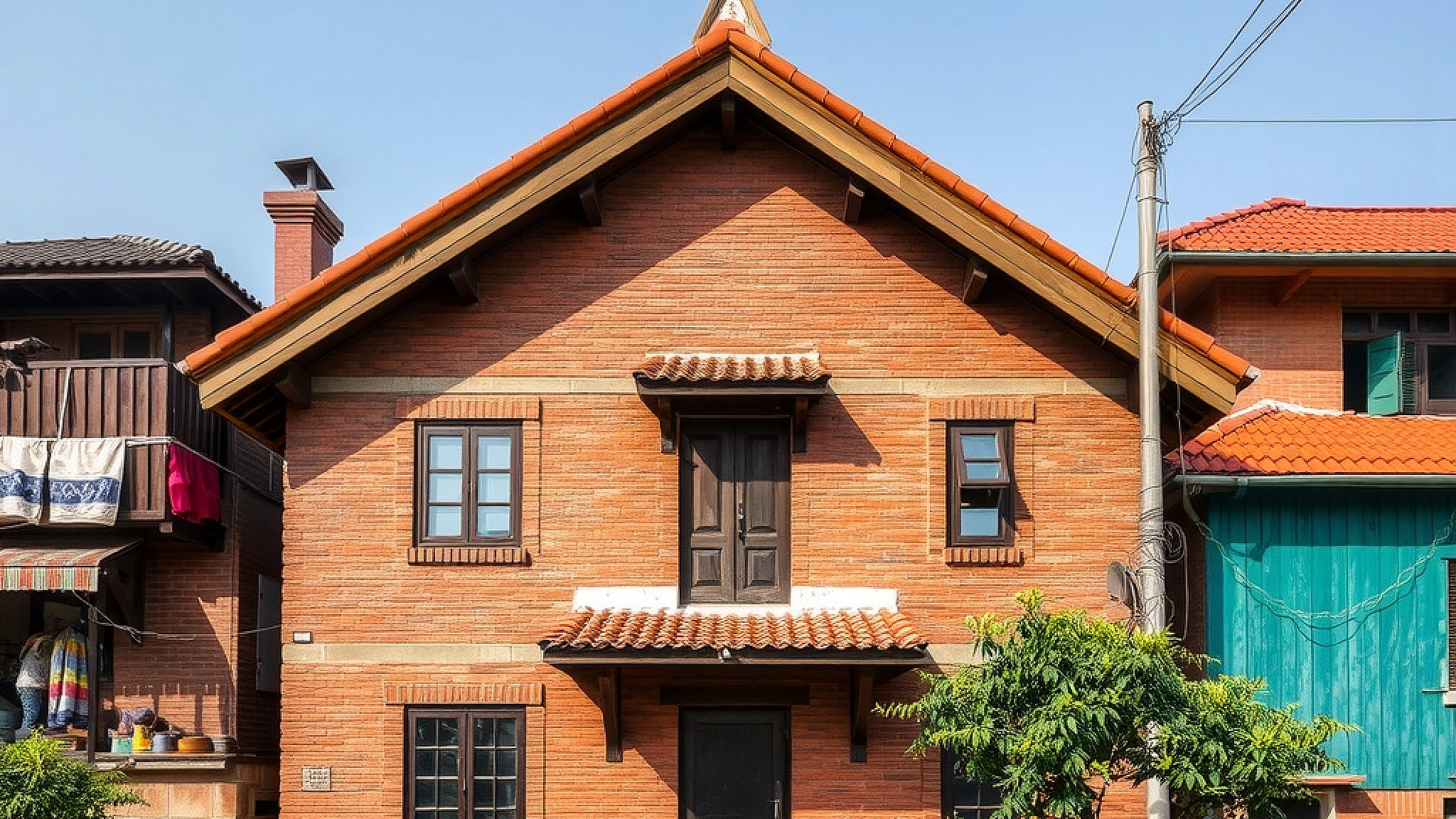
Rethinking the Brick: Beyond the Traditional Red Chimney
While the red clay bricks of Kathmandu are iconic, they are heavy and offer poor insulation. For a modern, earthquake-resistant home, we must consider the 'dead load' of the building. The heavier the house, the higher the force it experiences during an earthquake.
Consider AAC (Autoclaved Aerated Concrete) Blocks as an alternative for partition walls. They are roughly one-third the weight of traditional bricks. This reduction in weight allows the structural engineer to design slimmer columns and beams, potentially saving you money on steel and concrete. In cities like Bharatpur or Itahari, AAC blocks also provide superior thermal insulation, keeping interiors significantly cooler than clay bricks.
The Foundation and Concrete: Avoiding the 'Watery' Trap
The strength of your RCC (Reinforced Cement Concrete) depends entirely on the Water-Cement ratio. On many sites in Nepal, laborers add extra water to make the concrete 'easier to pour.' This is a silent killer of structural strength. Excess water creates voids in the concrete as it evaporates, leading to honeycombing and weak pillars.
- Use Admixtures: For a small investment, using plasticizers can make the concrete flow easily without adding extra water.
- Stone Quality: Ensure the 'Roda' (crushed stone) is angular and clean. Round river stones do not bond well with cement, reducing the shear strength of your beams.
- Curing: In the dry climate of Nepal’s hills, concrete must be kept moist for at least 7 to 14 days. Improper curing can lead to a 30% loss in potential strength.
Thermal Comfort: Nepal’s Neglected Necessity
Most Nepali homes are 'cold boxes' in winter and 'ovens' in summer. To fix this, we need to look at materials for the building envelope. Using double-glazed windows (UPVC) is becoming common in Kathmandu, but the roof is often ignored. Applying a heat-reflective coating or using XPS (Extruded Polystyrene) insulation boards under the roof slab can reduce indoor temperatures by 4-6 degrees Celsius during the scorching months in the Terai and inner valleys.
The Vastuveda Takeaway
Building a home is likely the biggest financial commitment you will make. While the finishing materials like marble and wood can be changed later, your structural materials—the steel, cement, and masonry—are permanent. Prioritize 'D' grade steel for earthquake safety and lightweight masonry for both safety and thermal comfort. At Vastuveda Designs, we integrate these technical engineering choices with Vastu principles to ensure your home is not just spiritually balanced, but structurally invincible. If you are planning your construction and want a design that respects both the land and the law of physics, reach out to us for a consultation.