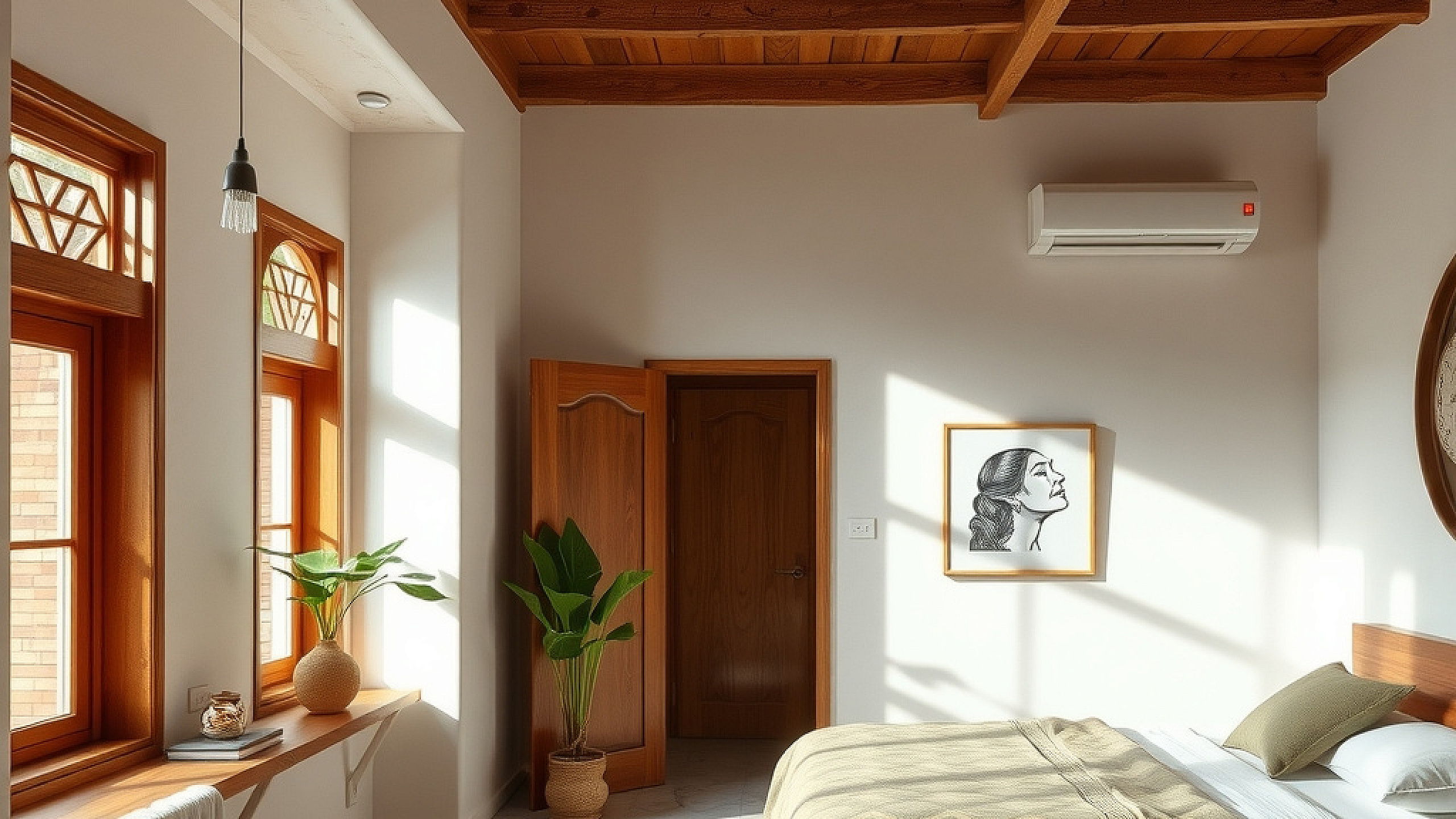
Beyond the Floor Plan: Why Your Energy Feels Off
You’ve invested 80 lakhs to over a crore in building your dream house in a tight colony in Lalitpur or a bustling neighborhood in Butwal. The finishing is premium, the paint is fresh, and the structural engineering is sound. Yet, since moving in, you might find that sleep feels elusive, or the family seems to argue more often than they did in your old rental apartment. In our experience at Vastuveda Designs, these aren't just 'moods'—they are often the result of spatial energy imbalances in the two most vital areas of a home: where you eat and where you rest.
Vastu Shastra is less about superstition and more about how we align our living spaces with the Earth's magnetic field and the sun’s path. In Nepal’s unique climate, where we crave sunlight in the winter and need ventilation during the monsoon, these alignments are even more critical. If your kitchen or bedroom placement is technically 'wrong,' you don't always need to tear down walls. There are specific, high-impact fixes that can restore balance.
The Fire Zone: Correcting the North-West Kitchen
The ideal location for a kitchen is the South-East (Agni Kone), the corner of the fire element. However, with modern plot sizes in Kathmandu often being less than 4 aana, many homeowners end up with a kitchen in the North-West or even the North-East. A kitchen in the North-East is particularly problematic as fire and water elements clash here, often leading to health issues for the women in the household or unexpected financial drains.
If your kitchen is already built in the 'wrong' corner, here is how you fix it without a sledgehammer:
- The Gas Stove Placement: Even if the kitchen is in the North-West, ensure the cook faces East while preparing meals. This aligns you with the morning solar energy.
- Color Therapy: Avoid blue or black tiles or granite in a North-West or South-East kitchen. Instead, use shades of green or lemon yellow to balance the energy.
- The Agni Correction: If your kitchen is in the North, place a small Agni Crystal or a copper Swastika on the ceiling above the stove to help neutralize the elemental clash.
- Water vs. Fire: Ensure the sink and the stove are not on the same line. If they are, place a small wooden partition or a row of green plants between them to separate the water and fire energies.
The Stability Zone: Solving South-West Bedroom Issues
The South-West (Nairitya Kone) is the zone of Earth and stability. This is the designated spot for the Master Bedroom. It belongs to the head of the family. We often see Nepali homes where the eldest son or the parents are shifted to the North-East (the zone of the gods/Ishanya), while the younger generation takes the South-West. This often leads to a shift in the power dynamic and domestic friction.
If your Master Bedroom is stuck in the North-East or South-East, follow these remedies:
- Heavy Furniture Placement: Move your heaviest wardrobes and cupboards to the South-West corner of that specific room. This 'weights down' the earth element, providing some stability.
- Head Direction: Regardless of which room you are in, never sleep with your head facing North. In Nepal, this aligns you against the Earth’s magnetic pull, leading to disturbed REM sleep. Always aim for South or East.
- The Bed Material: Avoid metal bed frames (iron or steel). Use solid wood (Sal or Sisau). Metal conducts electromagnetic frequencies that can interfere with your body's recovery at night.
- Earth Element Boost: If your bedroom is in the North-West, place a heavy yellow stone or a lead helix under the bed to simulate the grounding effect of the South-West corner.
The Entrance: Dealing with the South-Facing Door
In many parts of the Terai and even in the Kathmandu Valley, South-facing houses are common but often feared. While a South-facing door (Yama) isn't always bad, it requires precision. If your main entrance is in the 4th or 5th 'pada' (step) of the South, it can actually bring prosperity. But if it's in the wrong spot, the residents may feel a constant sense of 'rushed' or aggressive energy.
Practical Fixes for the Main Door:
- The Threshold (Parsuli): Build a slightly raised threshold using wood or marble. This prevents the 'leakage' of positive energy out of the house.
- The Lighting Guard: Ensure the entrance is the most well-lit part of your home. Use warm, yellow LED lights (2700K to 3000K) rather than harsh white lights.
- Protective Symbols: Placing a Panchmukhi Hanuman image or a copper 'Vastu Dosh Nivaran' yantra above the door can help filter the incoming energy.
- Color of the Door: For a South entrance, a wooden door with shades of brown or even a subtle maroon is better than blue or grey.
Small Changes, Big Results
You don't need to spend lakhs on 'Vastu-friendly' renovations. In our practice at Vastuveda Designs, we’ve seen that changing the color of a wall, moving a bed six inches to the left, or adding a specific metal wire under the flooring can drastically shift the 'feel' of a home. Vastu Shastra is a tool to make your house a home that supports your growth, rather than hindering it.
Key Takeaway: Prioritize the South-West for stability and the South-East for energy. If your current layout prevents this, use elemental corrections like colors, metals, and strategic furniture placement to bridge the gap.
Are you feeling stuck in your current living space or planning a new build in Nepal? Don't leave your family’s well-being to chance. At Vastuveda Designs, we blend modern architectural precision with authentic Vastu Shastra to create homes that breathe. Reach out for a consultation to align your space with your goals.