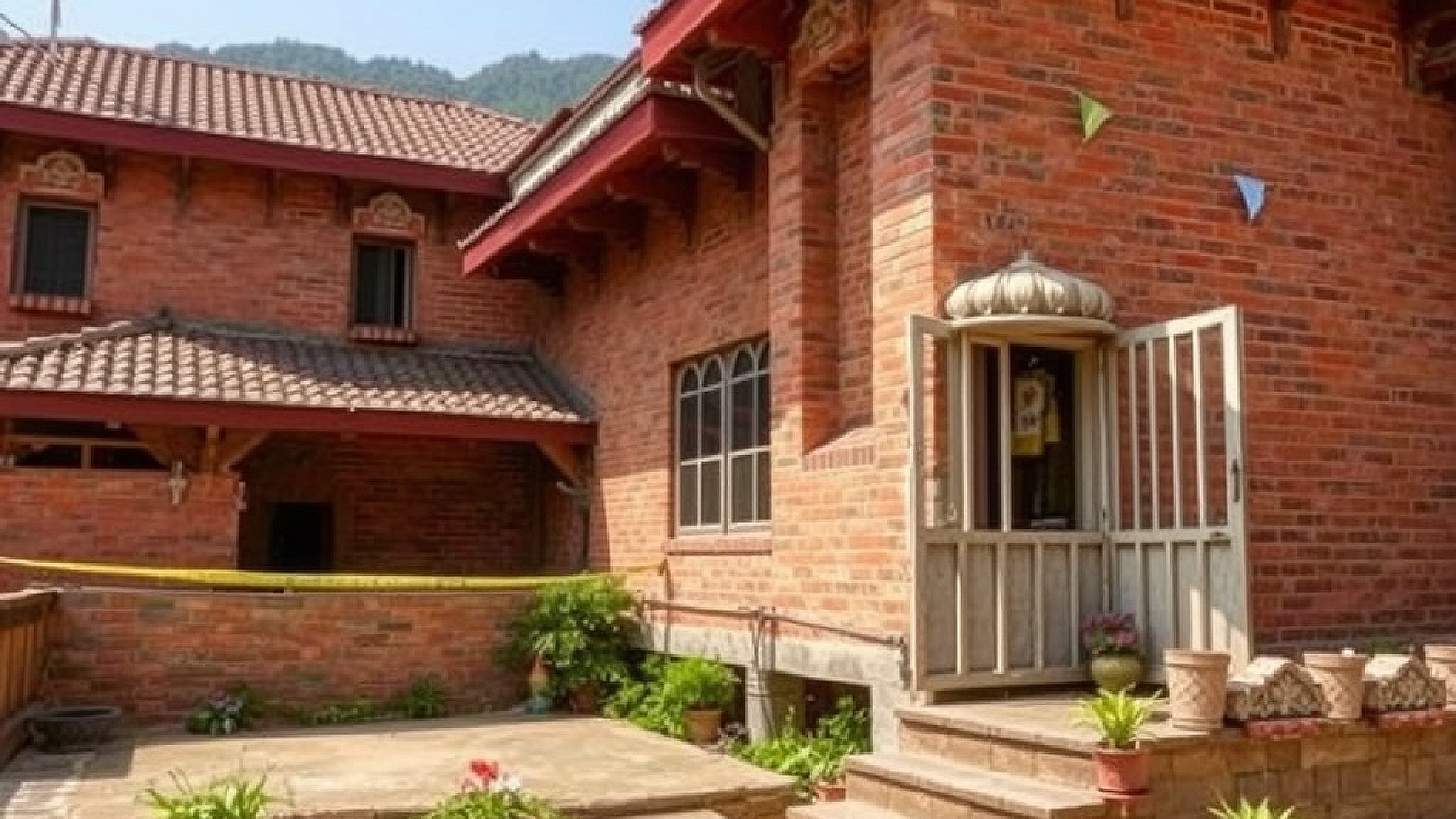
Bringing the Divine Home: Beyond the Annual Paint Job
In Kathmandu, the arrival of Dashain is marked by more than just the crisp mountain air and the swaying kites over Kirtipur. It is the season of 'Liptip'—the traditional cleaning and repairing of our homes to welcome Goddess Durga. For many Nepali families, this is simply an annual chore, but in the eyes of Vastu Shastra, this is a profound spiritual realignment. When you scrub your threshold or repaint your walls, you aren't just cleaning; you are clearing the path for 'Prana' or vital energy to flow into your life.
Dashain is the ultimate celebration of victory over darkness, and your home is the vessel where that victory is invited to stay. Whether you live in a traditional brick house in Bhaktapur or a modern RCC frame bungalow in Pokhara, the way you prepare your space during these fifteen days determines the peace and prosperity your family will enjoy for the coming year. Here is how to harmonize your home's energy with the Vastu significance of Dashain.
The Sacred Pivot: Setting Up the Dashain Ghar
The heart of the festival is the 'Dashain Ghar' or the specific area dedicated to Ghatasthapana. According to Vastu principles, the placement of the Kalash and the sowing of Jamara must follow the laws of the five elements. Since Jamara requires the blessings of the sun and the purity of water, the Northeast (Ishanya) corner of your home is the most auspicious spot.
- The Direction: Place the Kalash in the Northeast. This zone is ruled by the water element and is the entry point for divine energy.
- The Surface: Ensure the sand or soil used for Jamara is clean and sourced from a pure location. In Vastu, the earth element (Prithvi) must be respected to ensure stability in the household.
- The Environment: Keep this area tranquil. Avoid placing the Dashain Ghar near a bathroom or under a heavy staircase, as these can dampen the spiritual vibration of the seeds.
Energy Cleansing: The Vastu of 'Ghar Shuddhi'
Vastu Shastra teaches us that stagnant energy (Clutter) leads to stagnant lives. Before the first day of Dashain, your home must undergo a thorough cleansing. This isn't just about dust; it’s about removing 'Daridra' (poverty energy). In Nepal’s humid climate, the months leading up to Dashain often leave dampness and dullness in our interiors. This is the time to fix those leaking pipes in the kitchen (the Agni corner) and replace any cracked glass in your windows.
A specific Vastu tip for Nepali homes: focus on the 'Brahmasthan'—the center of your house. In many older Kathmandu designs, this was an open courtyard (Chok). In modern homes, it is often the living room. Keep this center completely clear of heavy furniture during the festival. A light and airy center allows the blessings of the Goddess to circulate freely to every bedroom and corner of the house.
The Main Door: Inviting Prosperity at the Threshold
Your main entrance (Mughal-dwara) is where the energy of Dashain enters. As we know at Vastuveda Designs, a North or East-facing door is naturally auspicious, but even a South-facing door can be made 'Dashain-ready' with the right steps. This year, pay special attention to the 'Dehuri' (threshold). A well-lit, decorated entrance acts as a beacon for positive energy.
- Torans and Symbols: Hang a fresh toran made of marigold flowers and mango leaves. The orange and green colors stimulate the sensory Vastu of the house.
- Metal and Sound: Ensure your door hinges don't squeak. The sound of a squeaky door is considered a Vastu dosha that invites friction.
- The Nameplate: A clean, visible nameplate in the North or East helps the energy of 'recognition' find your family.
Bhumi Pujan and New Beginnings
For those planning to build, Dashain is arguably the most powerful window for Bhumi Pujan (Earth Blessing). In Nepal, we believe the land is a living entity. Performing a Vastu-aligned Bhumi Pujan during the Navratri period aligns your future construction with the cosmic calendar. If you have purchased a plot in areas like Budhanilkantha or Bhaisepati, conducting the puja during the auspicious 'Muhurta' of Dashain ensures that the foundation of your home is laid on a bedrock of positive intent.
Building costs in Nepal for 2026 are stabilizing, with standard finishes in the Kathmandu Valley averaging around NPR 4,200 per sq. ft. Starting your project with a Vastu blessing during Dashain doesn't just provide spiritual peace—it focuses your intention, often leading to a smoother construction process and better management of resources.
Kitchen Vastu: The Fire of the Feast
Dashain is inseparable from the feast. Your kitchen, located in the Southeast (Agni Kona), will be the busiest room in the house. To keep the energy balanced, ensure the cook faces East while preparing the 'Khas-ko-masu' or festive treats. Keeping the kitchen clutter-free during the high-pressure cooking days of Maha Asthami and Nawami prevents 'fire-based' disputes among family members—a common practical application of Vastu Shastra.
A Time for Harmony
The true Vastu significance of Dashain lies in the harmony between the home (the physical) and the heart (the spiritual). When you align your physical space with these ancient directional principles, the Tika and Jamara you receive carry a deeper resonance. You aren't just living in a house; you are thriving in a sanctuary.
If you are looking to start your home-building journey this festive season, or if you feel the energy in your current home needs a professional alignment, Vastuveda Designs is here to guide you. Let us help you design a space that doesn't just look beautiful but feels balanced and blessed. Happy Dashain to you and your family!