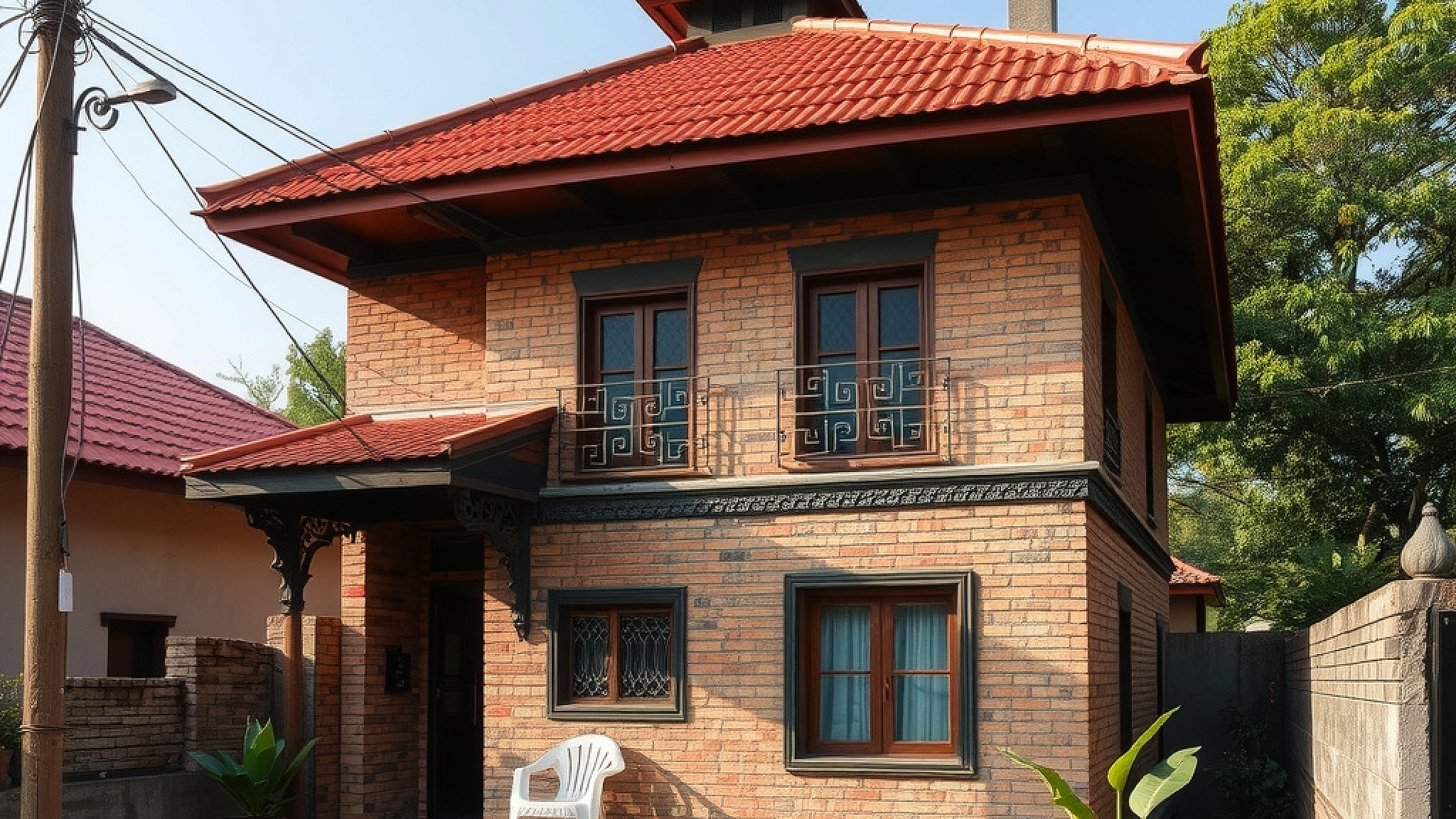
The Weight of a Heavy House: Why Your Space Feels Stagnant
You’ve finished your house in Kathmandu or the expanding suburbs of Butwal. The structure is sturdy, the paint is fresh, and you’ve invested millions of NPR into the finishing. Yet, something feels off. Perhaps there is a constant irritability among family members, or you feel a strange exhaustion the moment you step inside. In our practice at Vastuveda Designs, we often see homeowners trapped in the belief that fixing these 'vibes' requires breaking walls or moving heavy RCC pillars. This simply isn't true.
Vastu Shastra is less about structural demolition and more about the intelligent management of the Pancha Bhoota (five elements). In the cramped urban plots of Nepal, where we often share walls with neighbors and face North-South constraints, structural perfection is rare. However, energy flow can be corrected using what we already have. Here are practical, free, or low-cost Vastu remedies specifically for the common architectural challenges we face in Nepal.
The North-East Heavyweight: Clearing the Ishanya Corner
In many Nepali households, especially in older designs or 'Basti' layouts, we tend to use the North-East (Ishanya) corner as a storage space for heavy items like inverter batteries, old trunks, or even the dreaded staircase. The North-East represents the Water element and should be the lightest part of your home. A heavy North-East blocks the flow of prosperity and mental clarity.
- The Zero-Cost Fix: Move all heavy trunks, junk, and metal scrap to the South or West walls. Even shifting a heavy wardrobe from the North-East wall of a bedroom to the South-West wall can immediately 'lighten' the room's energy.
- The Cleanliness Audit: Ensure this corner is never used for dustbins or mops. In the dusty climate of the Kathmandu valley, a daily 5-minute wipe-down of this corner does more for your Vastu than any expensive crystal.
Countering the South-East Kitchen Imbalance
The Agni (Fire) corner is ideally the South-East. However, with modern apartment living in areas like Lalitpur or Sanpa, many kitchens end up in the North-East or North. This 'Water-Fire' conflict often leads to digestive issues or frequent arguments between the ladies of the house.
- The Color Remedy: If your stove is in the North-East, you don't need to move the gas pipeline. Simply place a small green stone or a green tile under the gas stove. In Vastu, the Wood element (green) acts as a mediator between Water (North) and Fire (Stove).
- Sunlight Strategy: Most Nepali kitchens are damp. Open your windows during the morning hours (8 AM to 11 AM) to let the UV rays naturally disinfect the space and balance the kitchen's energy.
The Entrance Guard: Managing the Main Door (Dhoka)
The main entrance is the 'mouth' of the house. In Nepal, we often see shoes piled up right at the threshold or a dark, narrow corridor leading inside. If your door faces a 'negative' direction or a T-junction (Veedhi Shola), you don't need to rebuild the gate.
- The Threshold Ritual: Ensure your entrance is the brightest part of the house. Use a high-wattage LED bulb. A well-lit entrance invites positive Prana.
- The Symbolism Fix: Placing a Swastika or an image of Lord Ganesha above the door is a traditional Nepali remedy that serves as a 'filter' for negative energy entering from the street.
- Shoe Rack Discipline: Never keep shoes directly in front of the door. Move them to the side and keep them inside a closed cabinet. Stagnant smell equals stagnant wealth.
Balancing the Brahmasthan (The Center)
In traditional Newari architecture, the 'Chowk' or central courtyard kept the center of the house open to the sky. In modern concrete houses, we have replaced this with a heavy dining table or a central pillar. The center of your home is its 'heart'.
- Keep it Empty: Check the geometric center of your floor plan. If there is heavy furniture there, try to move it even by a few inches to leave the exact center empty.
- The Sound Remedy: Hanging a sweet-sounding metal wind chime near the center (if there is air flow) or playing soft instrumental bhajans/flute music in the morning helps vibrate the energy of the Brahmasthan, clearing out the 'heaviness' of a closed ceiling.
Simple Habits for Daily Vastu Success
Vastu is not a one-time fix; it is a lifestyle. Given Nepal’s unique geography—from the humid Terai to the cold hills—our homes interact differently with the environment. High humidity in the Terai can lead to 'Sickness Vastu' due to mold, which is essentially 'Rahu' energy.
- Salt Water Mopping: Once a week, add a handful of rock salt (Saindha Noon) to your mopping bucket. Salt is a powerful absorber of negative bio-energetic fields.
- Directional Sleeping: Ensure no one in the family sleeps with their head towards the North. This interferes with the Earth’s magnetic field and causes poor sleep and headaches. South or East is the gold standard for Nepal.
The beauty of Vastu Shastra is that it respects the laws of nature. By simply re-organizing what you already own and being mindful of the five elements, you can transform a stressful house into a sanctuary of peace. These small shifts cost nothing but offer a profound sense of relief and clarity.
Take the First Step
Start with one room this weekend. Clear the North-East, move the heavy objects to the South-West, and notice how the air in the room feels different. If you find your home has deep-seated structural issues that simple remedies can't fix, our team at Vastuveda Designs is here to provide scientific, non-destructive Vastu audits tailored for the Nepali landscape. Let’s build a home that supports your dreams, not one that drains your energy.