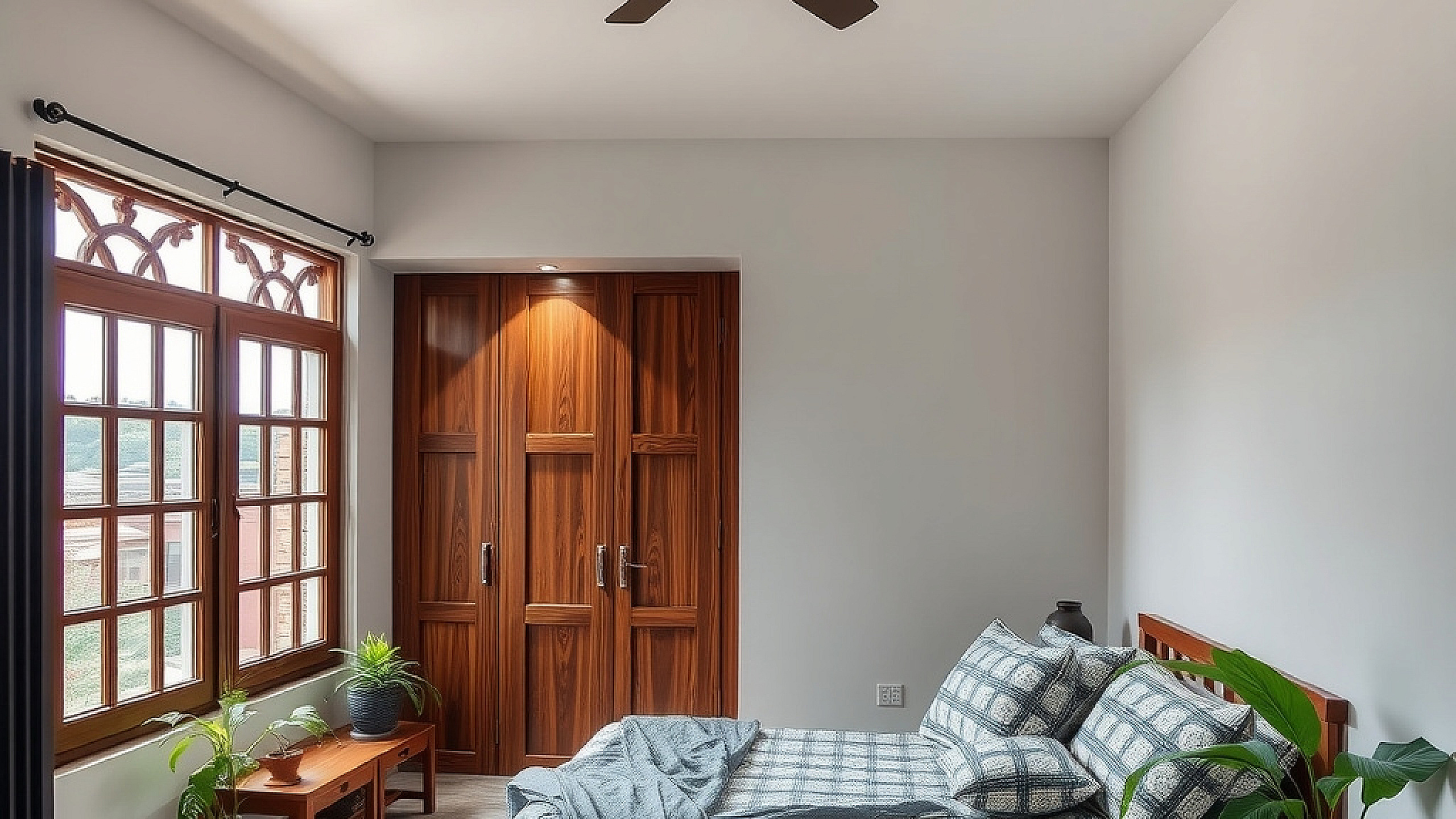
Beyond the Floor Plan: Why Your Modern Nepali Home Feels 'Off'
You’ve finally moved into your new house in a quiet colony in Bhaktapur or a renovated apartment in Maharajgunj. The tiles are Italian, the woodwork is teak, and the view of the hills is breathtaking. Yet, after six months, you notice a pattern: recurring indigestion, restless nights, or unexplained tension during family dinners. In our practice at Vastuveda Designs, we often find that while modern Nepali homes look stunning, they frequently violate the core principles of Vastu Shastra due to land shape constraints and municipal building codes.
Vastu Shastra isn't about superstition; it is the science of aligning your living space with the Earth’s magnetic field and the sun’s path. In Nepal’s unique geography, where we juggle steep slopes and tight city plots, achieving a perfect layout is tough. However, the energy of your kitchen and bedroom—the two most vital areas for health and rest—can be fixed even without breaking down walls.
The Fire Element: Correcting Kitchen Misplacements
The kitchen is the powerhouse of the home. In Vastu, it represents the Agni (Fire) element. Ideally, your kitchen should be in the South-East (Agneya Kon). But what if your developer placed it in the North-East or the South-West? This is a common issue in Kathmandu’s pillar-system houses where plumbing lines dictate the layout more than energy flow does.
A kitchen in the North-East can lead to mental stress and financial drains. If your stove is already fixed there, you don't need to spend 200,000 NPR on a full remodel. Here are specific Vastu Shastra remedies for kitchen placement:
- The Earth Element Shift: Place a yellow marble slab under your gas stove if the kitchen is in the North or North-East. This helps 'ground' the misplaced fire energy.
- Color Correction: Avoid blue or black granite countertops in a South-East kitchen. If you already have them, place a small green money plant in a brown pot near the stove to balance the water-fire conflict.
- The Sink-Stove Divide: In many small Patan or Lalitpur kitchens, the sink and stove are side-by-side. Water and fire are enemies. Place a small wooden partition or even a simple green crystal between them to create an energetic barrier.
The Master Bedroom: Balancing the Earth Element
Your bedroom is where you spend a third of your life. If the South-West (Nairitya Kon) of your home is compromised—perhaps by a large window or a balcony—it leads to instability in decisions and fragmented sleep. In the context of Nepali climate, we often want large windows for sunlight, but in the South-West, too much openness can be draining.
If your master bedroom is in the North-West (the zone of air), you might find yourself traveling too much or feeling unsettled. To fix bedroom Vastu without structural changes, consider these steps:
- Heavier Furniture: Place your heaviest cupboards and wardrobes against the South and West walls. This provides the 'weight' required to stabilize the Earth element.
- Head Direction: Never sleep with your head to the North. In our Himalayan region, the magnetic pull is strong. Sleeping with your head to the South or East ensures your blood circulation remains calm and your sleep is deep.
- The Mirror Trap: Most modern Nepali bedrooms have dressing tables facing the bed. If you see your reflection while lying down, it is said to cause health issues. Cover the mirror with a light cream-colored cloth at night.
The Entrance: The Mouth of Prosperity
While the kitchen and bedroom are internal, the main entrance is where 'Prana' enters. Many houses in Kathmandu face North or East, which is generally good, but the exact degree matters. If your door is in a 'shadow' zone or faces a T-junction (Veedhi Shoola), the residents may feel constant anxiety.
To fix entrance issues on a budget:
- The Threshold (Sill): Ensure your main door has a slightly raised threshold made of wood or marble. This prevents the 'leakage' of positive energy out of the house.
- Lighting: Ensure the entrance is the brightest part of the house. A warm 3000K LED light that stays on during twilight hours (Sandhya Kaal) is a simple but powerful Vastu fix.
- Symbolism: Place a Panchmukhi Hanuman image or a simple brass Swastika above the door if it faces a cluttered street or a neighbor's sharp wall corner.
Key Takeaway for a Harmonious Home
Vastu Shastra is a tool for harmony, not a source of fear. Most Vastu problems in Nepali urban homes can be balanced through colors, elemental placements, and the strategic use of materials like brass, copper, and wood. By stabilizing the South-West for rest and the South-East for nourishment, you create a sanctuary that supports your growth rather than draining your vitality.
If you are planning a new build or feeling the weight of a 'heavy' house, let us help you align your space. At Vastuveda Designs, we blend traditional wisdom with modern Nepali architectural needs to create homes that feel as good as they look.